
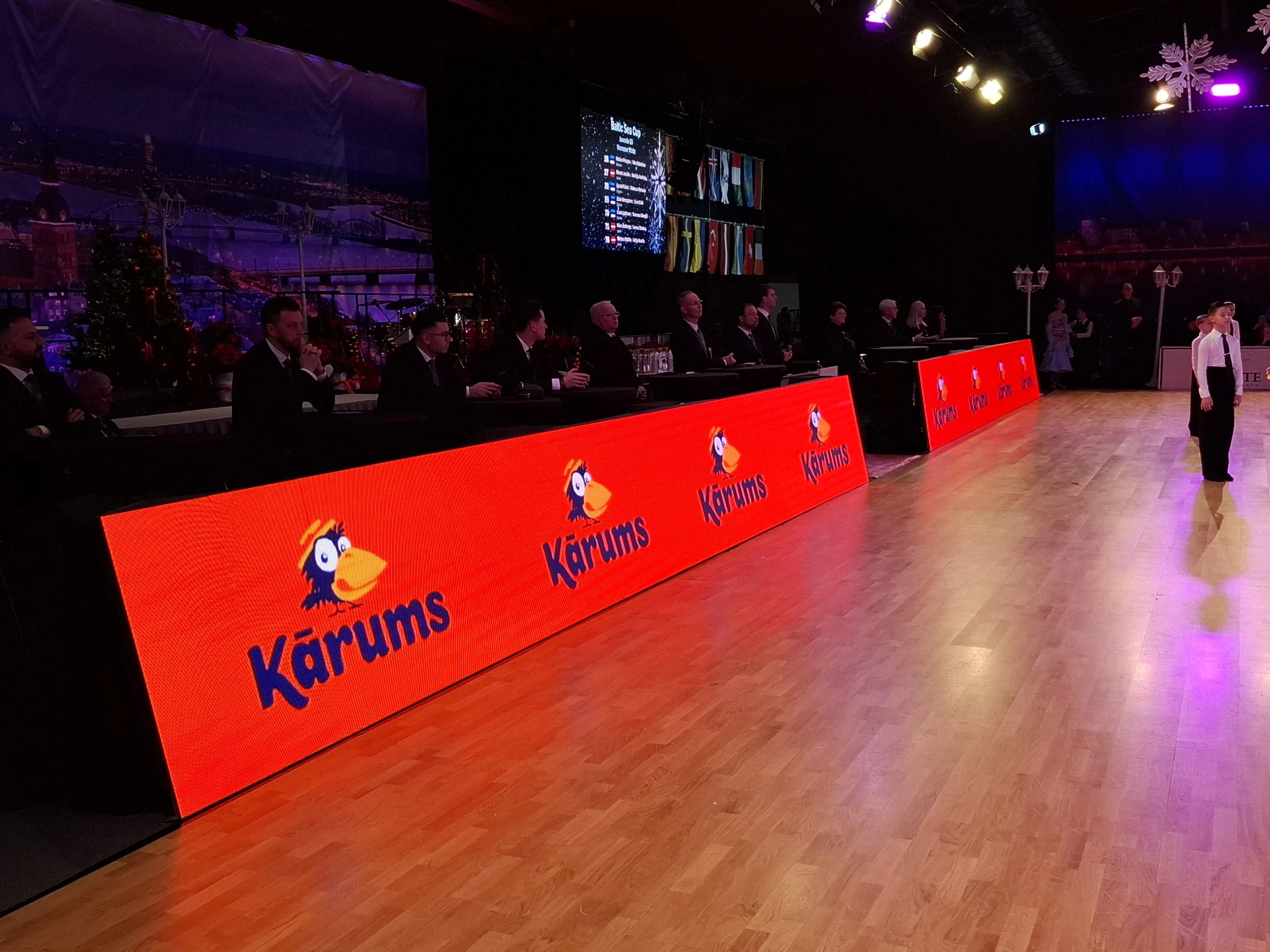
Competition judging criteria and system
Competitions are judged by comparing performances, based on the dance-quality criteria (I) and the secondary criteria (II), which carry proportionately less weight. Factors that must not influence the assessment (III) are deliberately disregarded.
The adjudicator assesses each couple’s performance in every dance and every round, from the first movements until the end of the dance.
In every round, each adjudicator must select the number of couples specified by the Chairperson of Adjudicators. In the final, the adjudicator awards each couple a specific placing.
Competition results are calculated using the Skating System, which is based on the assessments of a majority of the adjudicators.
I. Dance-quality criteria
- Movement in relation to the music: rhythmic and musical qualities of the performance
- Rhythm.
- Musicality.
- Musical phrasing.
- Movement technique and mechanics
- Foot, leg and body action.
- The couple’s style: silhouette, posture, hold and body lines, both vertical and horizontal.
- Balance and control of movement; coordination of movement individually and as a couple.
- Movement appropriate to the character of the dance (the ten dances each have a different character).
- Partnering
- The ability to lead and follow.
- Floorcraft: the ability to navigate and respond to situations on the dance floor.
- Choreography: its balance, whether performed as a couple or solo; its suitability for the character of the dance, the dancer’s abilities and the music; its complexity and the number of figures.
The last two criteria (4 and 5) are additionally applied when assessing dancers in the higher classes.
II. Secondary criteria
- Choreography does not take priority over quality of execution.
- Presentation
- Clarity of the performance.
- Visual appearance and aesthetic appeal: costumes, make-up and hairstyle.
- The art of creating an effect, using a combination of the factors listed above: an effect or illusion that convinces the audience.
- The appeal of the performance.
- The ability to dance with impact, perform dance tricks and surprise the audience with interesting and complex choreography.
- Charisma and emotional appeal.
III. Factors adjudicators must NOT take into account
- Dancers’ titles, previous achievements or position in the ranking table.
- The dance club or country represented by the dancer.
- The dance teacher with whom the dancer studies, including any team, alliance or other organisation represented by the teacher or dancer.
- Personal relationships with dancers: liking or disliking them.
- Personal relationships with the couple’s coach.
- Other adjudicators’ or coaches’ assessments or opinions of the couple.
- Audience support for the dancers.
- Other factors.